
Using a garment steamer is an efficient and convenient way to make your clothes wrinkle-free. Whether you dislike ironing or are simply looking for a faster solution, a garment steamer can be a valuable addition to your household. But with so many options on the market, how do you choose the perfect garment steamer that meets all your needs? In this blog post, we share some essential tips to help you make the right choice.
1. Steam output and steam power
When selecting a garment steamer, it is important to pay attention to the steam output and steam direction. A higher steam output makes the appliance more powerful, making it more suitable for thicker fabrics. Also make sure to choose a garment steamer that can be used both horizontally and vertically (360-degree technology), so you can easily treat different garments and surfaces.
The steam output is the amount of steam released by an iron or garment steamer. The higher the steam output, the more powerful the appliance. For example, a garment steamer with a high steam output is more suitable for thick fabrics, as the steam is extra powerful and strong. This makes it easier to remove wrinkles from textiles. To remove light wrinkles, we recommend a continuous steam output of at least 25 grams per minute. This also works perfectly, especially for quickly removing wrinkles from a few garments and for travel! For larger/professional garment steamers for home use, a steam power of 35 g/min is the minimum, while 50 g/min is the maximum ideal steam power.
2. Wattage and power
Not all garment steamers are equally powerful, so keep this in mind when you want to purchase one. A handheld steamer should have a minimum wattage of 1000 watts and 220-250V / 60 70Hz. For a larger/more professional garment steamer, the minimum wattage is 1900 watts and 220V/50HZ. 3 bar of steam power is powerful, but the very best standing garment steamers on the market have 4+ bar. More than 5 bar is not possible; this is the most powerful steam option.
3. Water tank capacity and water usage
The size of the water tank is an important consideration. A compact (handheld) garment steamer usually has a smaller water tank, while larger models offer more capacity. Consider how many garments you want to steam consecutively before having to refill the water tank. For a handheld steamer, 100 to 200 ml is ideal for steaming 2 to 3 garments. A water tank that is too large is inconvenient for a handheld steamer if you also want to take it with you when traveling. For a large steamer with a pole, a 2-liter water tank is common, but in this case, the larger the water tank, the better. It is also useful to know whether you need to use distilled water or whether tap water is also suitable.
4. Safety and ease of use:
Safety is a priority when choosing a garment steamer. Choose a garment steamer made by a company that specializes in garment steamers. These appliances may be slightly more expensive, but they are guaranteed to be of high quality and equipped with the correct safety certifications and automatic temperature control. Safe for you and for your favorite textiles. Ease of use is also important. Check whether the garment steamer has a comfortable handle, an easy filling system and easy-to-operate buttons without unnecessary fuss.
For the best steaming experience, always choose a garment steamer with a wide and large steam head, and especially a wide stainless steel steam plate more than 10 centimeters wide. Many more luxurious garment steamers have a specially designed steam plate that lifts the fabric and makes the fibers expand more easily. This can significantly improve ease of steaming.
5. Quality and durability
Invest in a good-quality garment steamer that will last a long time. If you choose a lower-quality, cheap plastic appliance, you will most likely regret it. Check the materials from which the appliance is made and read reviews from other users to gain insight into the product's durability and reliability. A reliable warranty (at least 1 year) can also indicate the quality of the garment steamer.
6. Additional features and accessories
Some garment steamers offer a range of additional features and accessories that improve ease of use. Consider which of these features are important to you and look for a garment steamer that meets those needs. Some common additional features include:
-
Attachments: Check whether the garment steamer comes with various attachments, such as a brush attachment, lint brush, steam hook, storage bag or, for example, a steam glove. These attachments can make it easier to treat specific garments or surfaces. Various steam tests and evaluations have shown that an attachment on a garment steamer often does not actually add much and provides little added value during the steaming process. The steaming result was almost always better without brush attachments. However, opinions may naturally differ on this.
-
Adjustable steam intensity: Some models (especially standing garment steamers with a pole) have adjustable steam intensity, allowing you to adjust the steam power to the type of fabric or the stubbornness of the wrinkles. This is especially useful if you want to treat a wide range of garments.
-
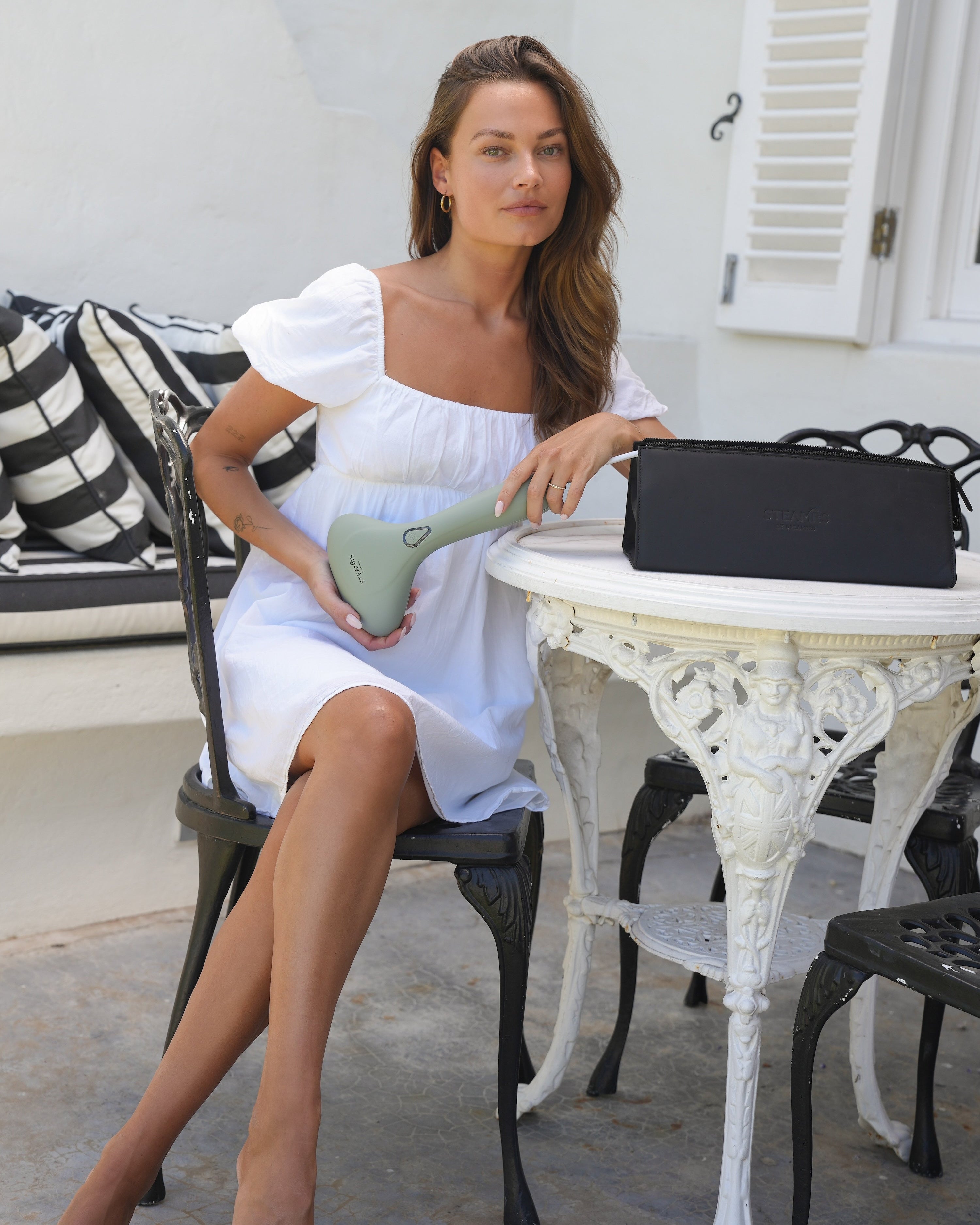
Portability and ease of storage: If you plan to take the garment steamer with you while traveling, pay attention to the appliance's weight and dimensions. A compact and lightweight model is more convenient on the go. Also check whether the garment steamer is easy to store when you are not using it. Garment steamers are always allowed on (air) travel and can simply pass through customs.
6. Cord length and plug
Of course, this depends on what the garment steamer will primarily be used for. For home use, a cord of at least 1 meter is fine, and an extension cord can also be used. But on vacation, it can be convenient to have a garment steamer with a longer cord. Our tests have shown that a cord of 2 meters or longer is ideal and provides sufficient freedom of movement.
When traveling outside the EU, it is a good idea to bring a plug adapter, as many garment steamers have a European plug.
7. Handheld steamer or standing steamer with a pole?
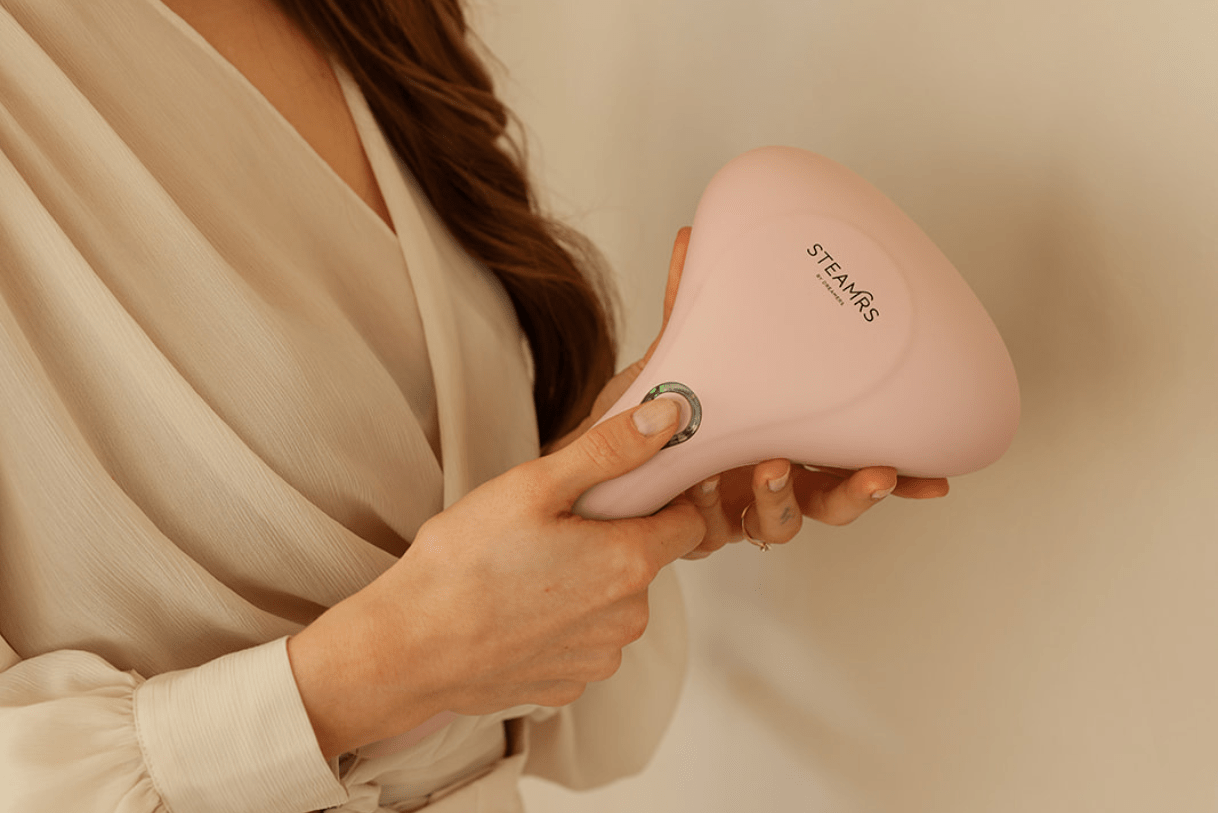
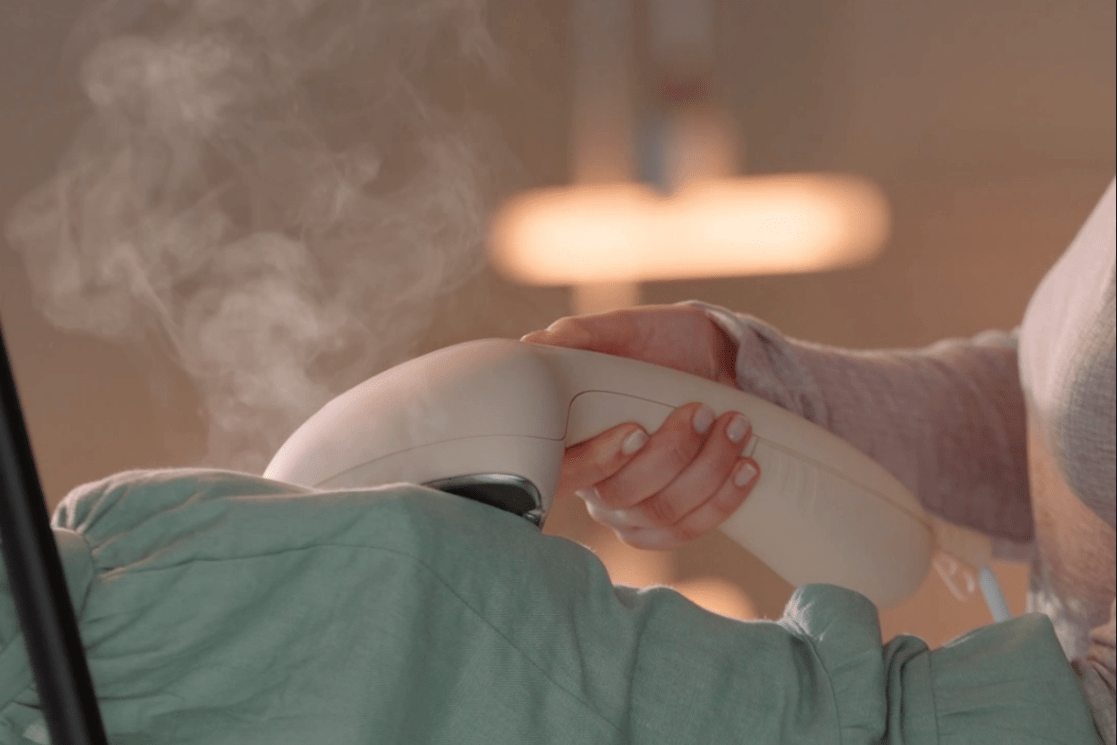
You cannot remove stubborn wrinkles with a handheld steamer because the steam output is too low. However, you can easily freshen fabrics such as linen and cotton. You can quickly deal with light wrinkles because the heating time is short. This way, you can steam your shirt just before leaving the house. Handheld steamers are easy to take on trips because of their small size. You can also use them to freshen cushions or the sofa.
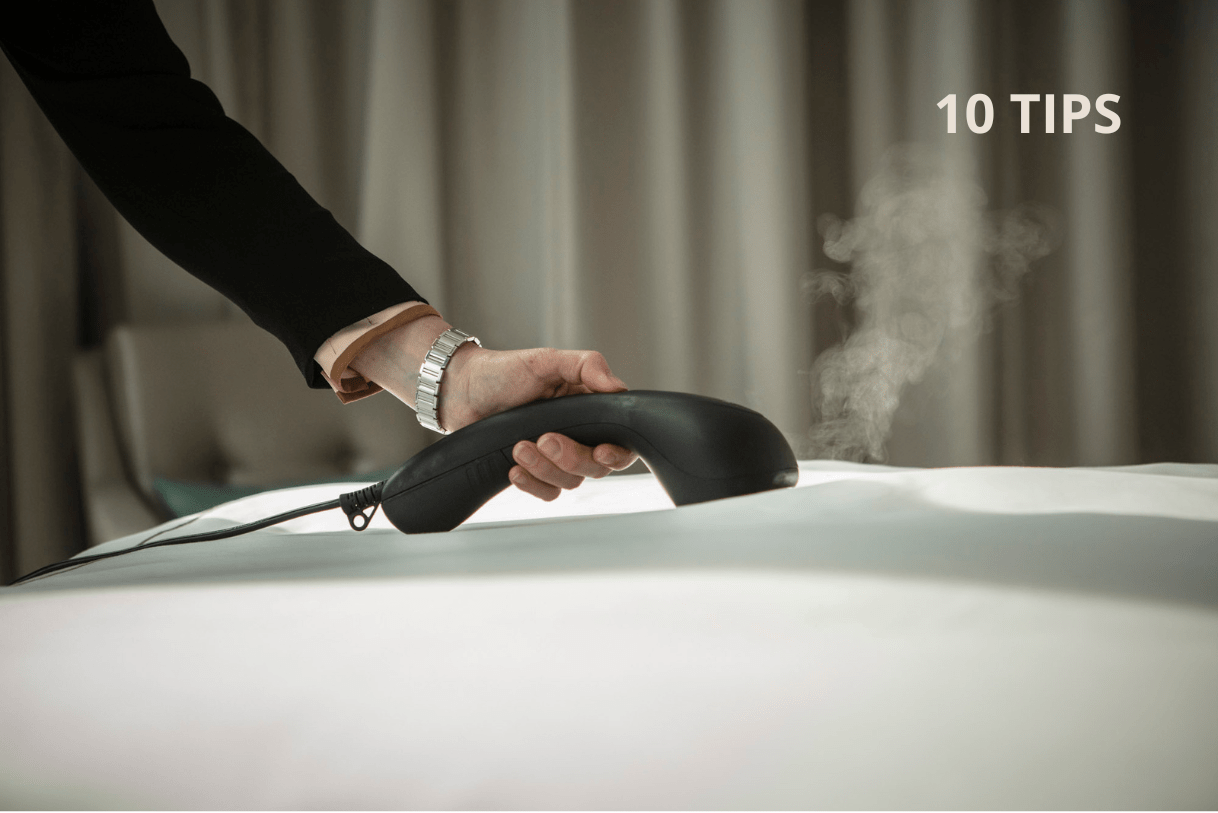
For steaming several garments consecutively, use a garment steamer with a stand. These have a large water tank that does not need to be refilled often. They also have a higher steam output, making them more suitable for thick fabrics. Garment steamers with a stand often have specific steam settings for, for example, silk and wool. This also makes them very suitable for professional use.
8. Maintenance and cleaning
Pay attention to the maintenance and cleaning of the garment steamer. Some models have a self-cleaning function, while others require regular descaling or cleaning. Make sure you are prepared to carry out the necessary maintenance to preserve the lifespan and performance of your garment steamer.
9. Fast heating time
Pay attention to the garment steamer's heating time. A fast heating time means you can get started sooner and do not have to waste valuable time. With high-quality garment steamers, the heating time is always under 50 seconds. 20 seconds is the fastest possible heating time available.
10. Price and budget
Determine your budget before you start looking for a garment steamer. Prices vary depending on the brand, features and quality of the appliance. Weigh your needs against your available budget to find a garment steamer that meets your requirements without putting too much strain on your wallet.

Leave a comment
All comments are moderated before being published.
This site is protected by hCaptcha and the hCaptcha Privacy Policy and Terms of Service apply.